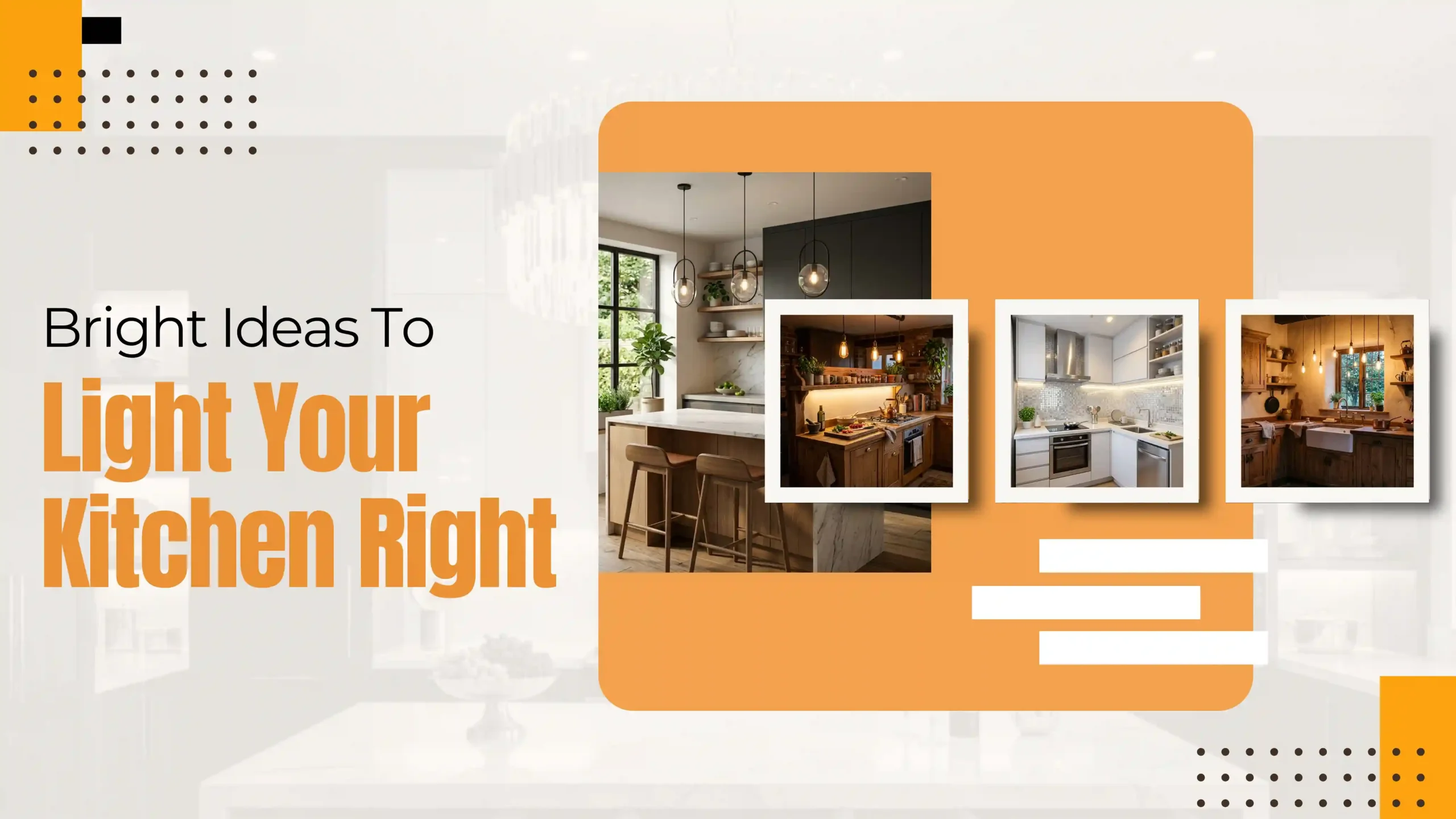
The kitchen in the modern UK house has transformed from a utilitarian food preparation area into a multi-purpose socialising, remote, and gourmet food preparation space. As a result, there has been a change in the architectural approach of illuminating the kitchen. The lighting design is no longer a by-product; it is part and parcel of the planning of space. Strategic lighting design enhances the functionality of the kitchen, ensures safety during complex culinary operations, and determines the aesthetic specifics of the room. This paper studies the technical concepts behind layered lighting as well as the contemporary light kitchen concepts to enhance a better finish.
Understanding Layered Kitchen Lighting
One of the mistakes made in residential planning is depending on one source of light which is located overhead. This tends to create deep shadows and lack of sufficient light at the required areas. To mitigate these issues, professional designers employ a layered approach who divide light into three types:
- Ambient Lighting: This is the underlying layer of light, which gives the space its general visibility and establishes the fundamental brightness of the space.
- Task Lighting: Intense and concentrated light shone on the working surfaces to enable safe and accurate work such as chopping or reading recipes.
- Accent Lighting: This is employed to accentuate the architecture or decorative features or cabinets to provide a sense of depth and interest.
In developed kitchen layouts in the UK today (especially the open-plan building), it is necessary to implement a layered system, especially where the light levels of high-energy cooking areas should shift gradually to those of the casual dining space.
Choosing the Brightest Light for Kitchen Work Areas
The technical requirements like lumen output, Colour Rendering Index (CRI) are more important than the wattage when choosing the brightest light to use in the kitchen. A kitchen should have a general ambient light of approximately 300 to 400 lux and areas that are considered to be dedicated to a task are usually in need of about 500 to 750 lux.
Colour Temperature in Kelvins (K) has a great influence on the functionality of the space. In the case of professional presentation areas, the best light is cool white (3500K to 4000K) because it is much more alert and gives a better contrast. On the other hand, warm white (2700K to 3000K) is used in dining rooms to make the space welcoming. The use of high-CRI LED lamps (over 90 CRI) will make the colours of fresh products look natural and vivid, and this aspect is critical to high-end gastronomic settings.
Task Lighting for Practical Kitchen Use
The main goals of the task lighting are safety and accuracy. Lack of sufficient light in working surfaces may cause accidents and eye burnout. Integrated under-cabinet LED strips or puck lights are some of the most useful tips on effective kitchen lighting. They are to be placed on the front of the wall units so that the light is reflected on the worktop but not on the back splash.
In the case of hobs and sinks, either special purpose directional spotlights or built in extractor hood lighting is used to give the required power to monitor cooking temperatures or to enforce hygiene during cleaning. Designers can cut down on the use of high-wattage ceiling lights by focusing the brightest light on kitchen activity on the spots where it is needed, which helps to save energy.
Ambient Lighting for Overall Kitchen Brightness
The kitchen is surrounded by ambient lighting which is the background. Recessed downlights (also known as spotlights) are the commonly used lighting in the UK, to create a clean, minimalist appearance in the industry. The fixtures must be kept at strategic areas so as to ensure a consistent light wash on the floor and prevent uneven lighting across the ceiling.
Flush-mount lighting or track lights can be used as an option, especially in historical buildings or concrete ceilings where it is not possible to recess the fittings. Ambient lighting aims to ensure that dark areas are eliminated and the level of overall visibility is safe without glare, making it an essential consideration in effective kitchen lighting tips for both homeowners and designers.
Accent Lighting for Visual Interest
As the task and ambient layers offer functionality, accent lighting offers the soul of the design. This layer can be exploited to express creativity in a number of light kitchen ideas:
- Display Cabinetry: LED interiors and glass shelves are fitted inside cabinets to make it a visual center, to display glassware and ceramics.
- Plinth Lighting: LED strips which are mounted on the floor generate an impression of a floating effect of the kitchen islands and base units, and this provides a high-end modern appearance.
- Pendant Lighting: Pendants are mounted on an island or a breakfast bar and act as a decoration as well as a secondary task light. They are to be suspended at an average of 75cm and 90cm over the work surface in order to strike a balance between aesthetics and easy sight lines.
Energy-Efficient and Smart Lighting Solutions
The current UK kitchen design is concerned more with sustainability. The market has now changed to LED technology, which has a maximum of 90 percent of energy savings against the conventional halogen bulbs. Other than the choice of a bulb, smart lighting controls have been incorporated in the upscale renovations.
Dimmable systems will enable them to switch to evening mood lighting immediately after turning off the functional brightness. Also, larders or utility cupboards can use motion sensors to provide hands-free lighting, and smart-home integration can be used to program scenes, e.g. a “Cooking” scene with all the lights on in task areas or a “Dinner Party” with low ambient and accent lighting.
Design Ideas of Light Kitchen
Lighting placement should be determined by the architecture of the room. Mirrors and reflective splashbacks (toughened glass or polished stone) could be employed in smaller UK kitchens, and help the room appear much bigger by bouncing the light back.
Moreover, the lighting strategy will depend on the finish of the kitchen units, i.e. the finish can be glossy or matte. Glossy surfaces demand diffused sources of light so as not to create hot spots or uncomfortable reflections. To the individuals who would like to know the best tips on lighting their kitchen in a small area, verticulation (i.e. uplights placed on walls) would help focus the eye upwards to give an impression of height and spaciousness.
Conclusion
Effective kitchen lighting is a sophisticated marriage of technical precision and aesthetic vision. By prioritising a layered approach and selecting the brightest light for kitchen task areas, homeowners and designers can create spaces that are as safe and functional as they are beautiful. Whether you are implementing contemporary light kitchen ideas through smart technology or refining your layout with expert kitchen lighting tips, the key lies in the balance of ambient, task, and accent sources. A well-illuminated kitchen is not merely a room that is “bright”; it is a room that is intelligently lit to enhance every aspect of modern living.
You Might Also Like