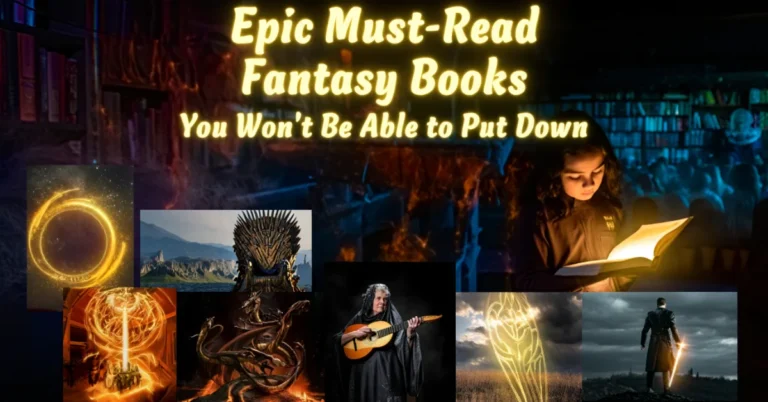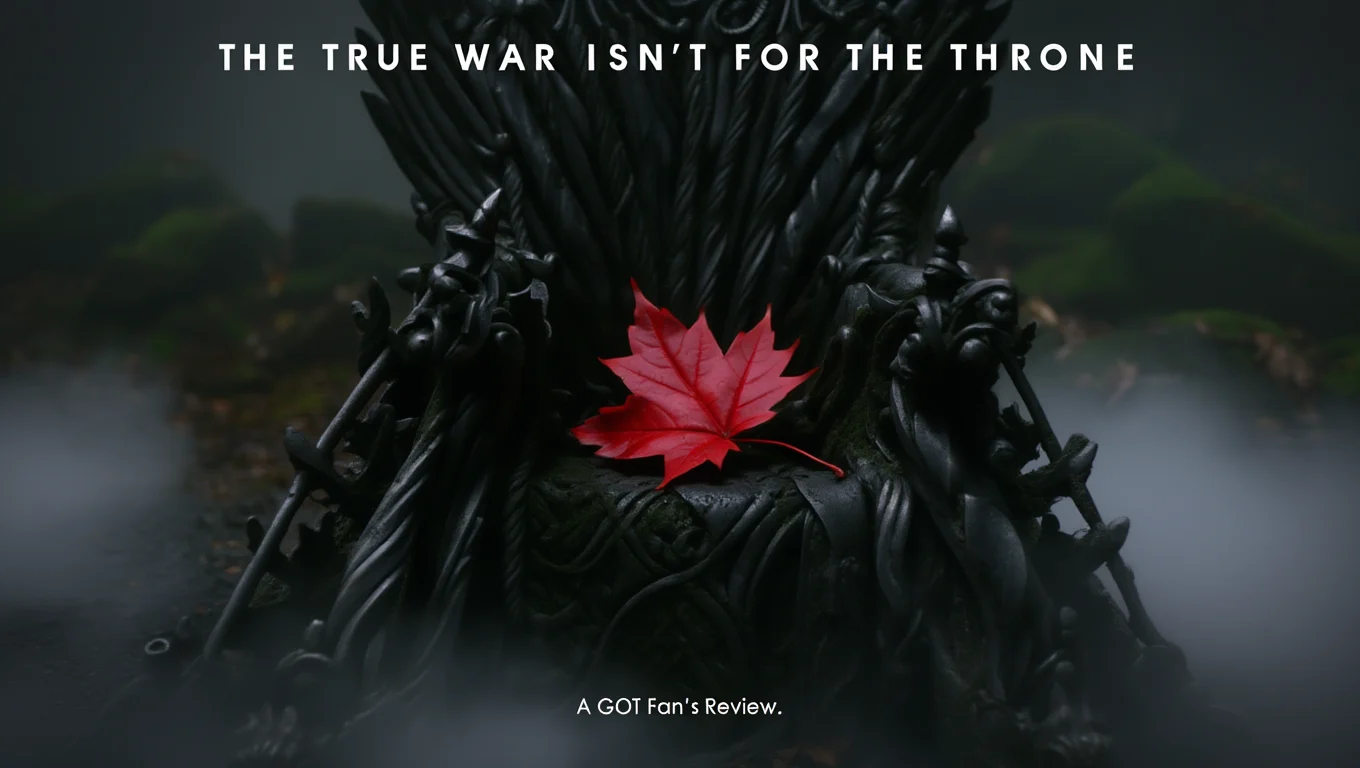
G.O.T. (Game of Thrones) fans! This one is for you.
A.S. Tamaki’s The Book of Fallen Leaves is a perfect escape from your routines. This debut fantasy epic includes both a sprawling samurai-inspired political drama as well as an introspective critique of the utility. What do I mean by this narrative? Well, it’s Ghibli meets the Gulag. Tamaki grounds the narrative in a fantasy world that is inspired by the Tale of the Heike and Shogun-era Japan. But there is a numinous twist. It has the lush, atmospheric reverence of a Studio Ghibli film… sky-walking spirits and quiet temples, smashed against the cold realism of 19th-century existentialism.
The prose of the book or the writing style is thick and intentionally kept sluggish. It forces you to synchronize with a seasonal rhythm, focusing on the beauty of decay. How often do we see a book like this nowadays? In my opinion, the title of The Book of Fallen Leaves is a symbolic way of showing everything that our society discards, the elderly, the unproductive, and the outdated ideas that no longer fit into so called progressive future.
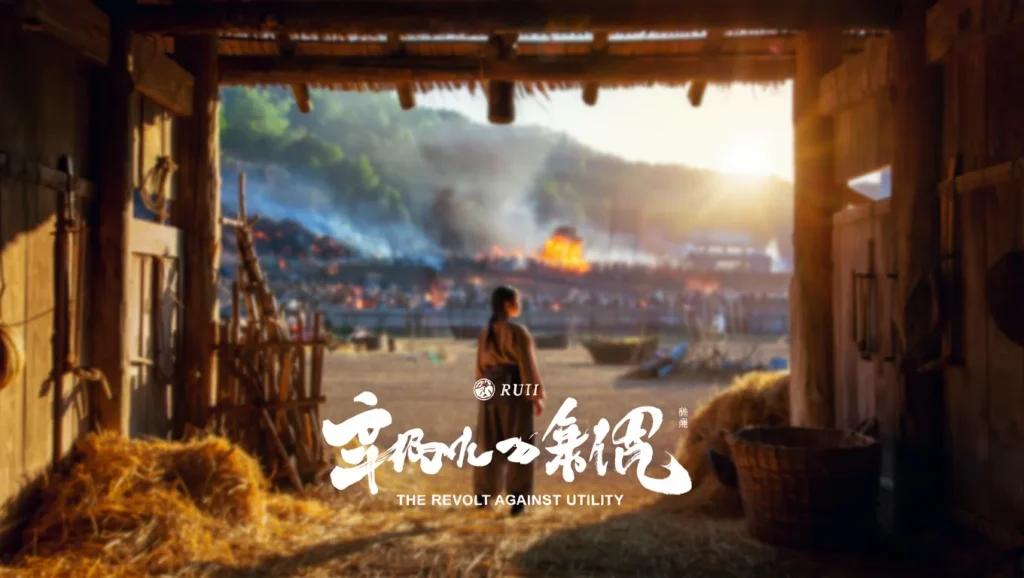
It’s The Revolt Against Utility
I usually don’t read much from the fantasy genre but still love to explore new perspectives to look upon beyond the given narrative. When I think deeply about the layers of this fantasy epic, it seems to me that the true war in this book isn’t just between the Gensei and Ten’in clans; it’s a war against the pathology of productivity. The narrative shows a nameless retreat to a decaying estate. Here, the internal monologue reads like a conversation between Max Stirner and Emil Cioran. To be useful in Tamaki’s world is to be a slave to a system that views human beings as mere logistics. But that’s how I see this book, everyone’s perspective is different. For me, Tamaki treats ‘doing’ as a sickness. The characters who are most obsessed with their ‘legacy’ or ‘duty’ are often the most fragmented. On the other hand, the commoner girl, Rui, finds her greatest triumph not on a battlefield, but in the quiet, ‘useless’ dignity of tending to a stable.
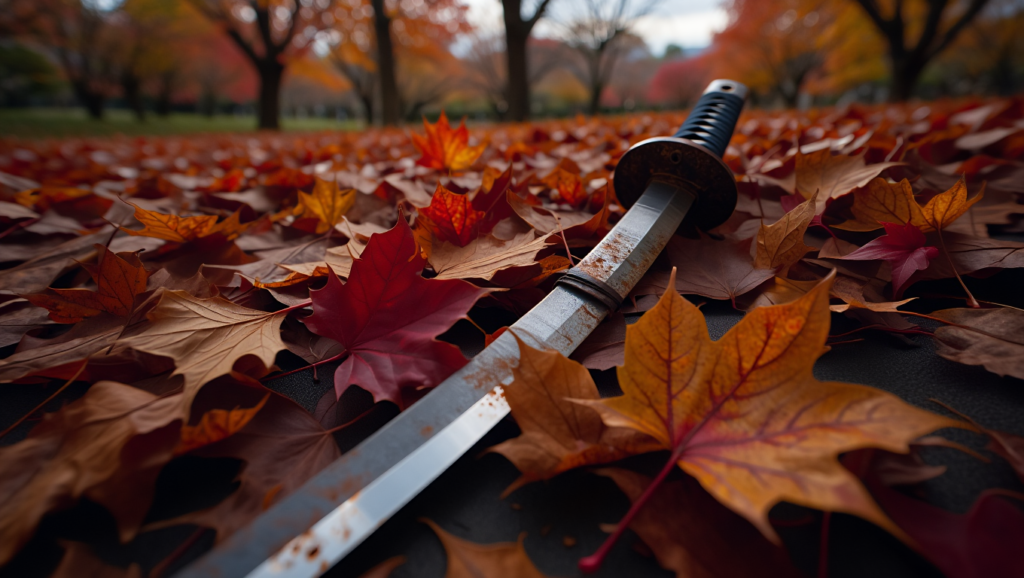
Why This Perspective?
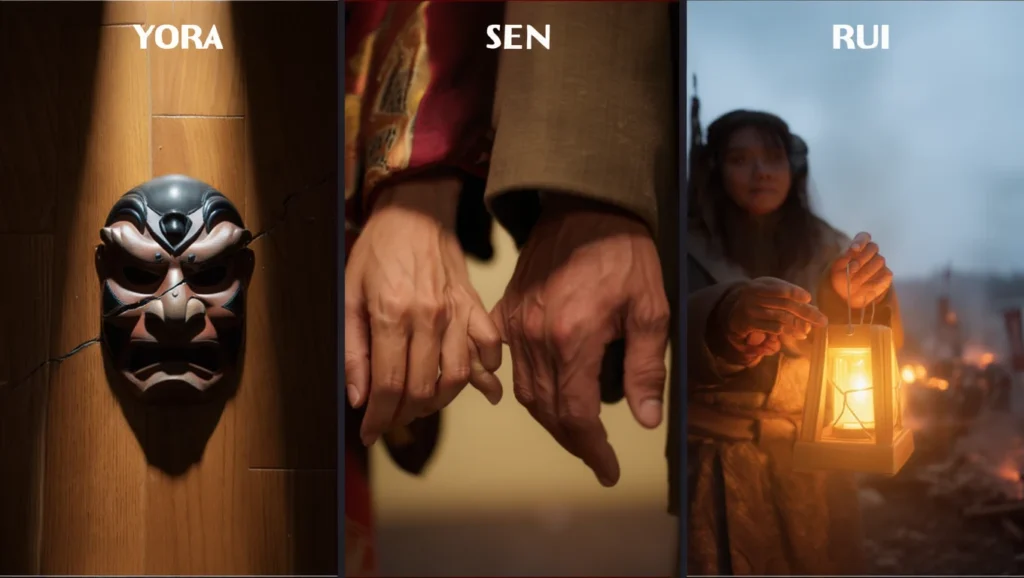
Let me give you a piece of my mind. For the existential reader, I feel this kind of fantasy books give a new food for thought because such a story of war and narrative beyond war addresses the 21st-century fear of becoming obsolete. The narrative of this book argues that obsolescence is actually the ultimate form of liberation. You can see how the character of Yora, Sen and Rui all show their philosophical struggles. For Yora, it’s Loyalty vs. Principle in a rigged game, for Sen, it’s Found family vs. Blood inheritance, and for Rui, it’s Fighting fate vs. Accepting the void.
Final Book Review
Tamaki’s writing is quite lyrical, almost haiku-like. The final battle is a masterclass in convergence. In my opinion, it isn’t just about who wins the throne; it’s about which character finally breaks free from the ‘Ghost of Potential’. In a way, The Book of Fallen Leaves is a difficult, stubborn, and deeply necessary read, especially if you are a GOT fan who likes dense political themes. However, it lacks the explosive hooks, but it’s a 4.5/5 that makes it a good read!
You Might Also Like